How To Eat Guava

Mar 13, 2026
This post may contain affiliate links. Please read our disclosure policy.
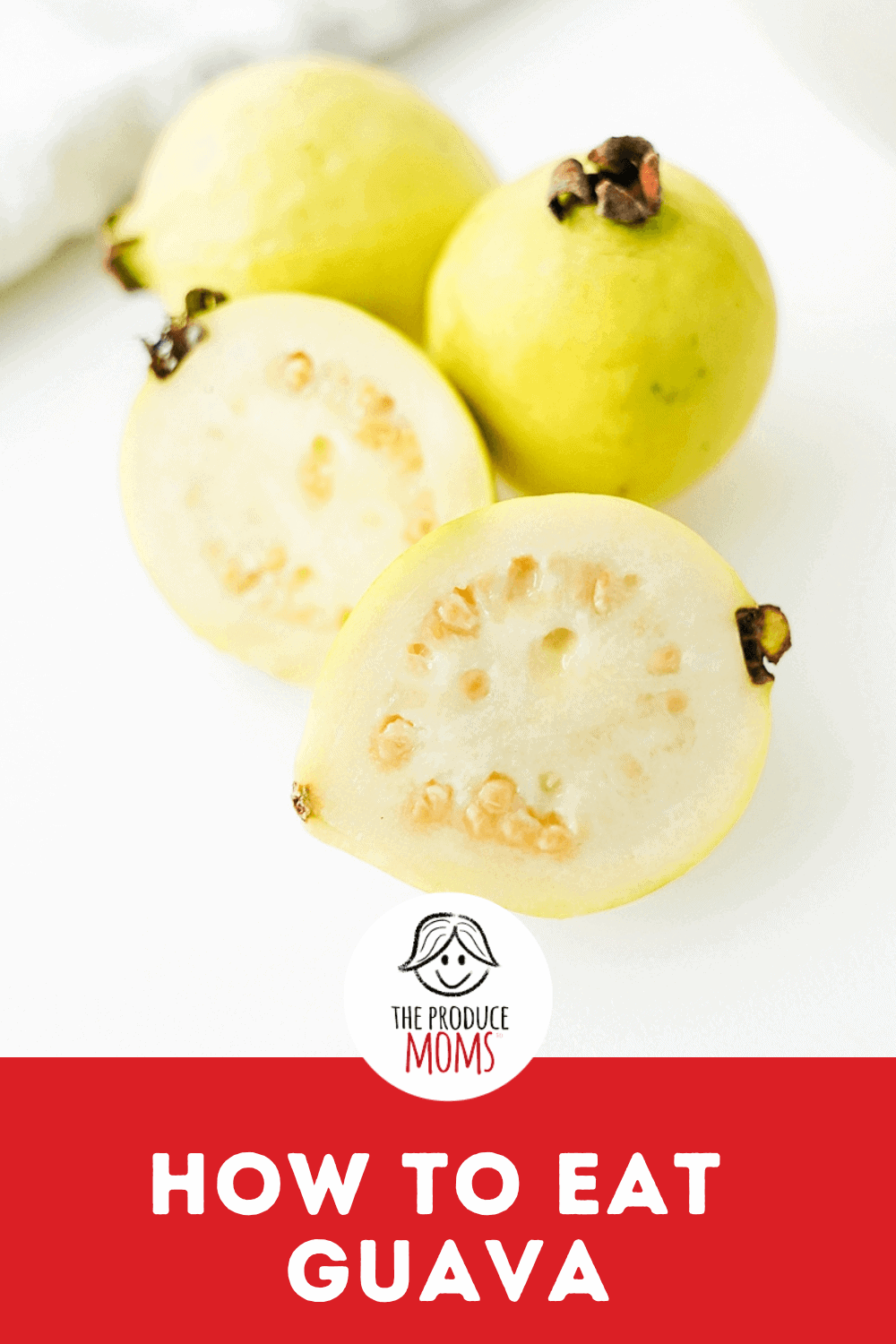
Guava is the tropical superstar you’ve probably seen in juice blends or fancy cocktails, but if you’ve ever stared at the actual fruit in the grocery store and wondered, “Now what?”—you aren’t alone.
This vibrant fruit is a powerhouse of nutrition and flavor. Here is everything you need to know about how to tackle this tropical gem.
What is Guava?
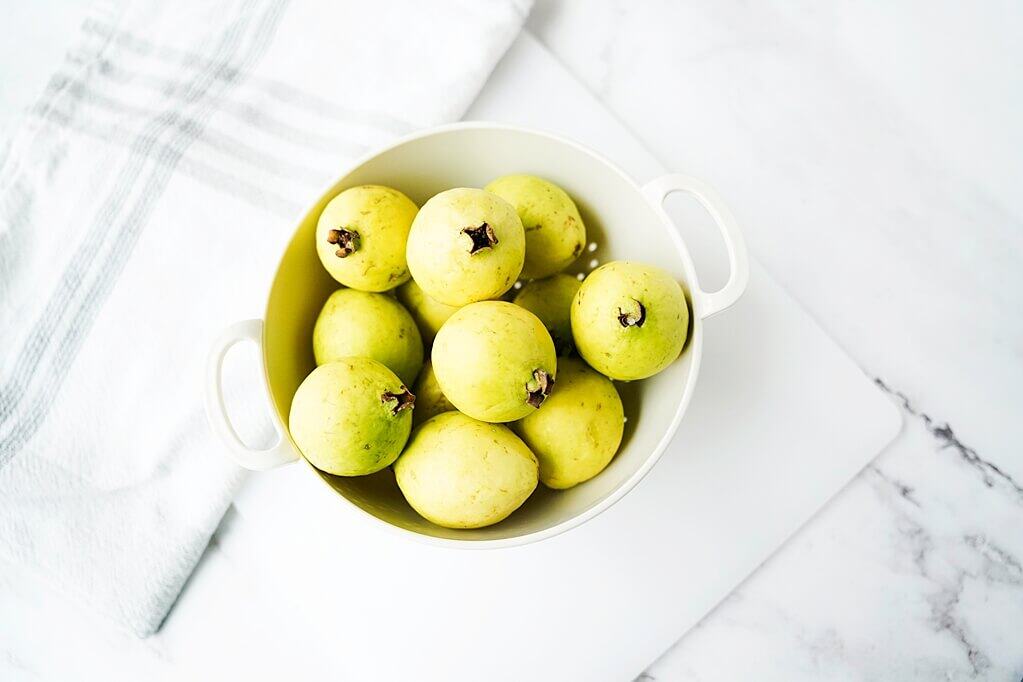
Guava is a tropical fruit that grows on trees and is originally native to Mexico, Central America, and northern South America. Now, it’s grown in tropical and subtropical regions worldwide, from India to Florida.
Think of it as nature’s multivitamin. It is famously high in Vitamin C. It is also packed with fiber and antioxidants. Guavas come in various shapes (round or pear-shaped) and colors, with skins ranging from lime green to yellow and flesh that can be white, yellow, or a stunning vibrant pink.
When is Guava in Season?
Because guavas grow in tropical climates, they don’t follow the “standard” four-season rules.
- Year-Round Availability: In many tropical regions, guava trees produce fruit all year.
- Peak Season: In North America (specifically Florida and Hawaii), you’ll find the best harvests from late summer through fall August to October) and often a second smaller crop in early spring.
The Produce Moms Tip
You’ll know a guava is ripe when it gives slightly to pressure and emits a strong, sweet floral fragrance that can fill an entire room.
What Does Guava Taste Like?
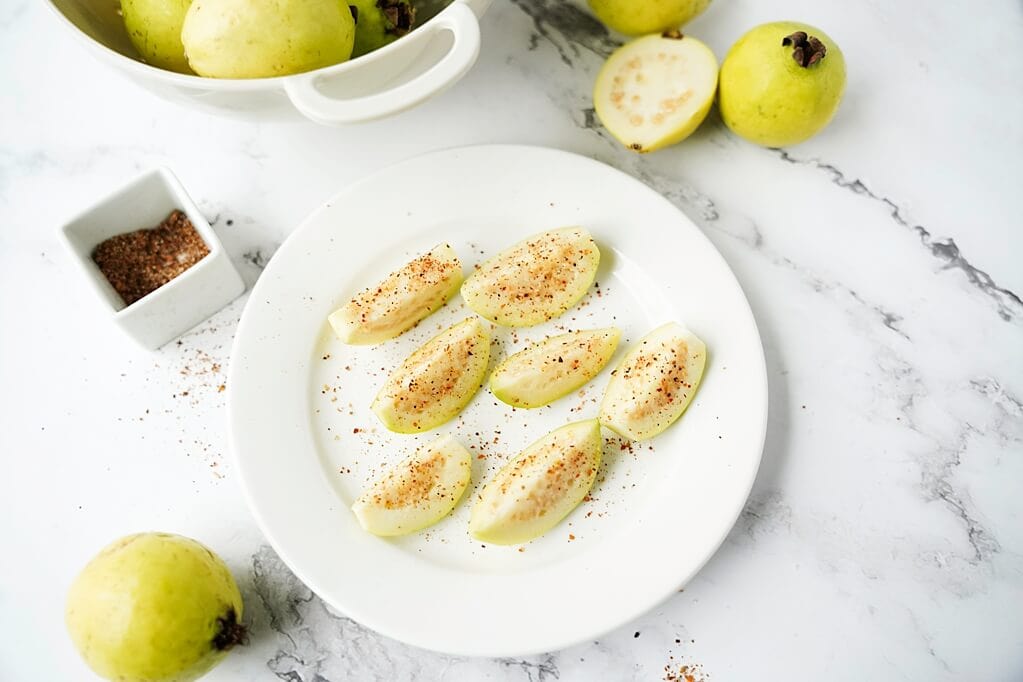
Describing the taste of guava is like describing a tropical mash-up. It is sweet and slightly acidic, with a flavor profile often described as a cross between strawberry, pear, and grapefruit.
- Pink Guava: Usually sweeter and more “musky” or floral.
- White Guava: Often crunchier and a bit more mild or acidic.
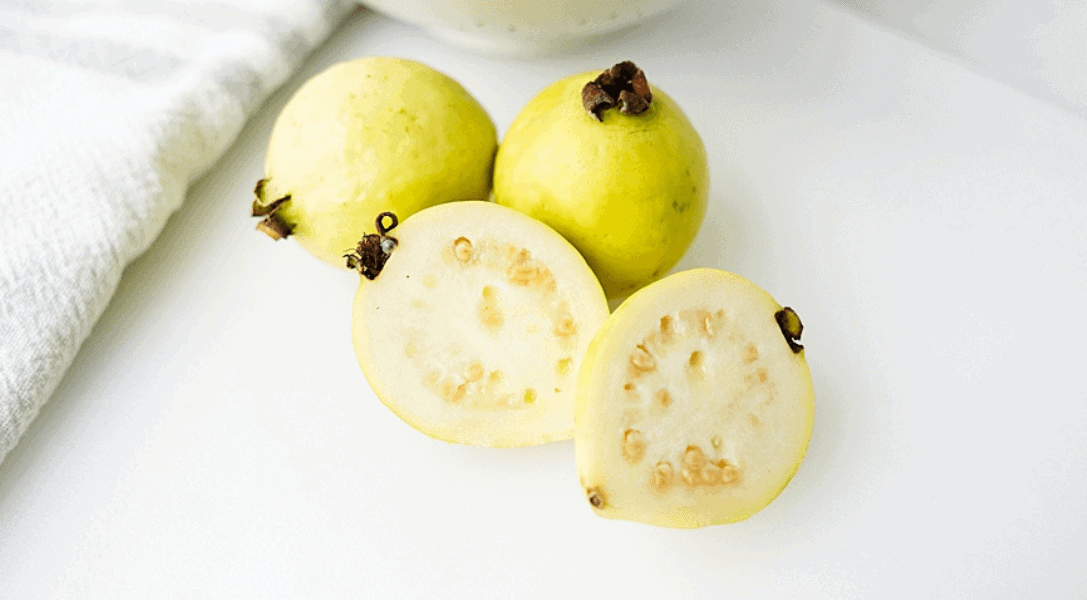
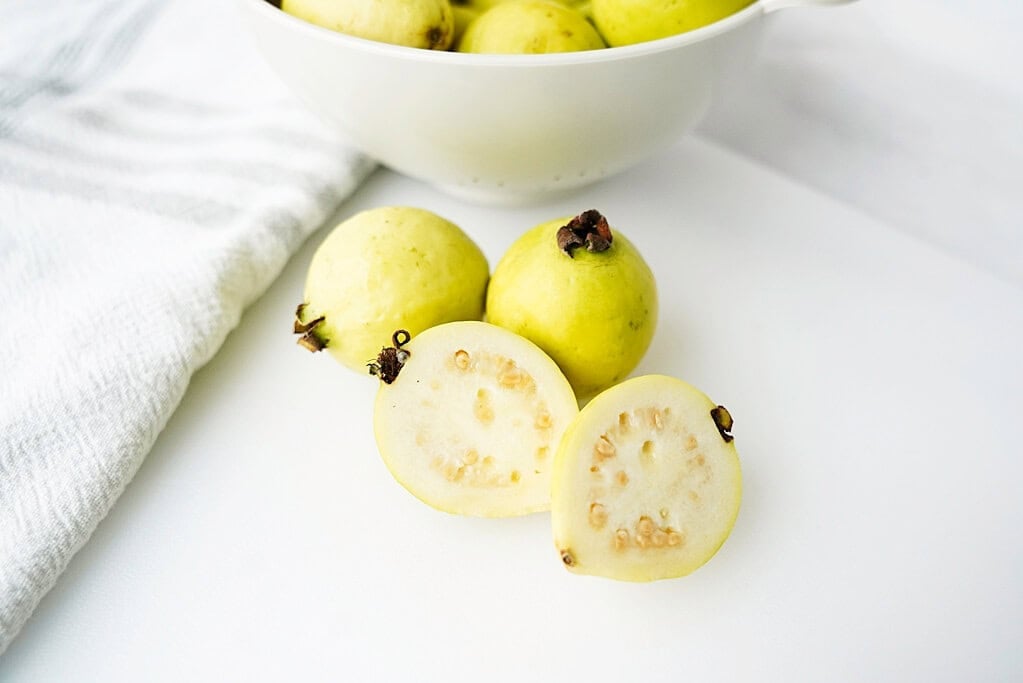
The texture is equally unique: the skin is edible but slightly bitter, while the flesh is soft and creamy, surrounding a center filled with small, hard seeds.
Can You Eat Guava Seeds?
The short answer: Yes!
Guava seeds are 100% edible. However, they are quite hard. Think of them like tiny pomegranate seeds but much firmer. Most people swallow them whole while eating the pulp. If you try to crunch down on them, you might find them a bit jarring for your teeth.
If the texture of the seeds isn’t for you, you can scoop them out, or better yet, blend the fruit and strain the seeds out to make a smooth puree.
Ways to Enjoy Guava
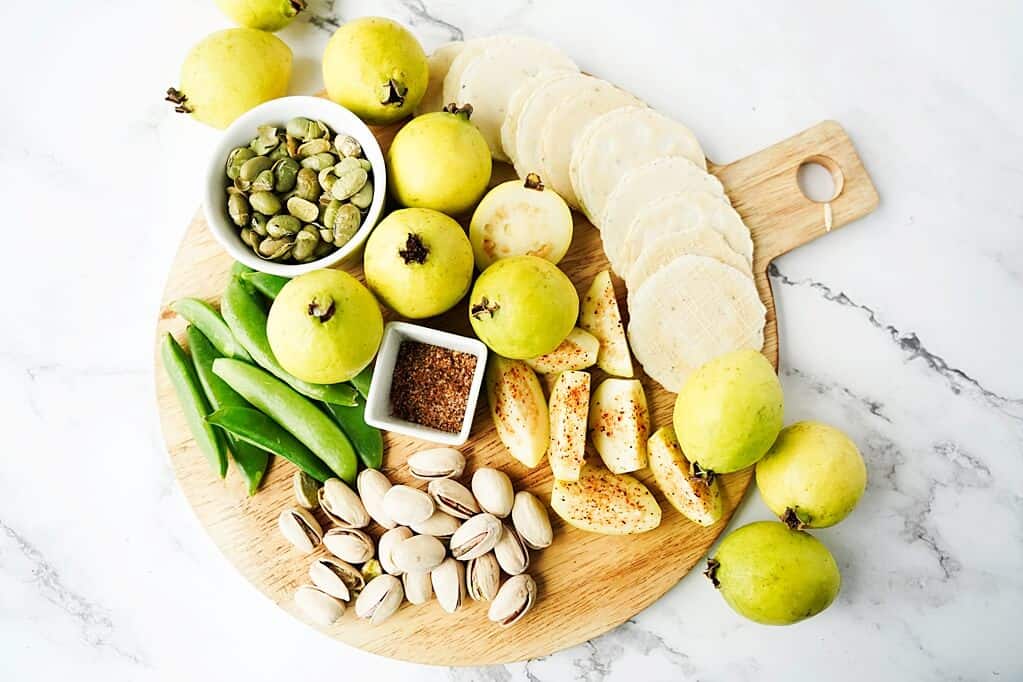
Guava is incredibly versatile. Whether you want to keep it simple or get gourmet, here are a few ways to eat it:
- Out of hand – You can eat it “apple style”… just wash it and bite in! The skin, flesh and seeds are all edible.
- The classic slice– sliced guava sprinkled with a little salt and chili powder (or Tajín) is a street-food staple in many cultures.
- Add to a salad – You can add it to any green or you can make a Tropical Fruit Salad.
- In smoothies – lend the flesh with pineapple and coconut water for a tropical punch.
- Add to a charcuterie board – Guava adds a new dimension to any charcuterie board, like one of our favorites, the Tropical Fruit Charcuterie Board.
- Guava paste – Cooked down with sugar, it becomes “Guava Cheese” or Paste, which pairs perfectly with salty cheeses like Manchego.
- Juice – For a refreshing treat, you can transform the fruit into a vibrant juice.
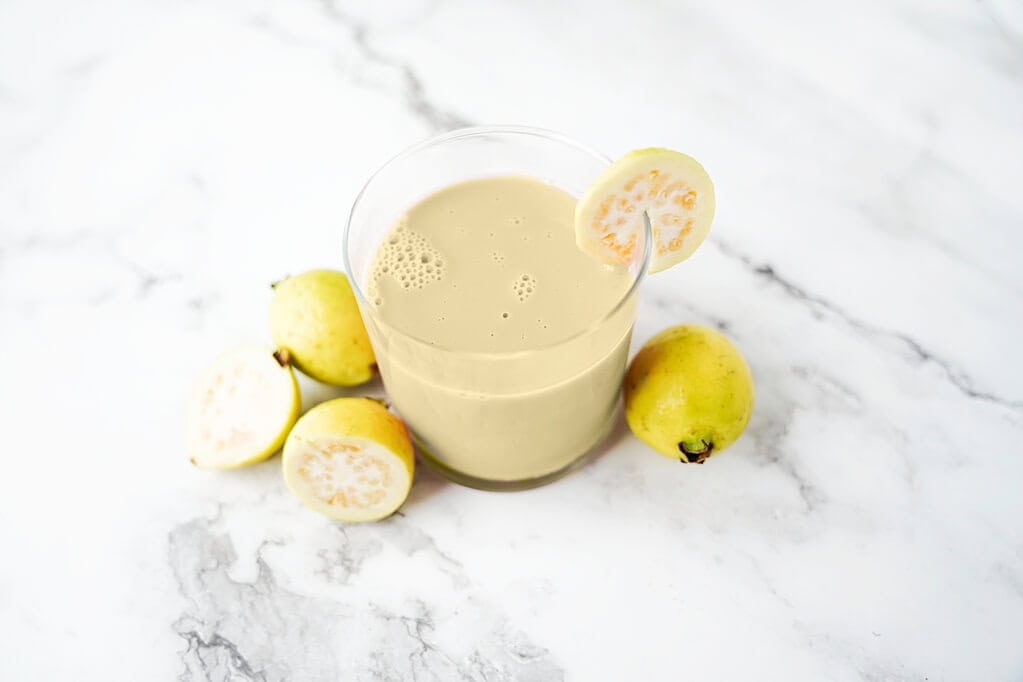
Whether you’re biting into a fresh slice at a bustling fruit stand or blending it into your morning smoothie, guava is a tropical experience worth seeking out. Its unique combination of floral sweetness, creamy texture, and unmatched nutritional benefits makes it more than just a fruit.
So, the next time you see guava in the produce aisle, don’t pass it by. Grab a few, experiment with a dash of chili lime salt, and discover your new favorite way to eat this tropical powerhouse.
Looking for more inspiration? Check us out on Pinterest or Instagram, and join our community of Produce Moms!