Ohio Agriculture

Oct 22, 2026
This post may contain affiliate links. Please read our disclosure policy.
Ohio’s rich agricultural story began long before modern tractors rolled across its fields. Early Indigenous peoples cultivated nutrient-rich river valleys with squash, beans, and corn using sustainable crop-rotation techniques. As settlers arrived in the late 18th and early 19th centuries, they cleared dense forests to establish homesteads. People quickly recognized the state’s fertile soil and favorable climate. By 1850, Ohio had transformed into an agrarian powerhouse. It led the nation in total agricultural output and supplied grain, wool, and livestock across the expanding country.
As technology evolved throughout the 20th century, Ohio farmers embraced major movements that revolutionized food production. Mechanization replaced horse-drawn plows. And farmers adopted advanced soil conservation practices such as no-till farming. They did this to protect the topsoil and improve water quality.
The state also became a hub for agricultural education and research, driven largely by institutions like The Ohio State University Extension and the Ohio Agricultural Research and Development Center. These programs helped growers boost yields while navigating changing environmental demands and economic shifts.
Today, agriculture remains one of Ohio’s primary economic engines. It generates over $15 billion in market value across crops and livestock. Roughly 73,000 farms manage more than 13 million acres of land across the state. They produce over 200 distinct commodities.
Alongside traditional row crops and poultry operations, modern Ohio agriculture thrives on diversity, rapidly growing in agritourism, local farm-to-table networks, and urban farming initiatives that connect everyday consumers directly to the land.
About the Ohio Department of Agriculture
The Ohio Department of Agriculture (ODA) serves as a vital regulatory and promotional body, working to support the state’s massive agricultural community and protect everyday citizens. The mission of the ODA is to protect Ohio citizens by ensuring the safety of the state’s food supply and the health of its food animals and plant life, while simultaneously creating economic opportunities for Ohio’s farmers, food processors, and agribusinesses.
Headquartered in Reynoldsburg and led by an appointed Director, the ODA coordinates critical agricultural testing through its Consumer Protection Laboratory and manages regional oversight across Ohio’s 73,000 farms.
To fulfill its mission, the department operates numerous specialized divisions and programs that touch nearly every aspect of daily life and commerce in the state. Key roles include:
- Consumer Protection & Food Safety: Inspectors monitor food processing plants, dairies, and meat production facilities to guarantee that products sold to consumers meet strict health and safety standards.
- Animal & Plant Health: The department safeguards livestock and crops by managing disease surveillance, regulating commercial dog breeding, and tracking invasive agricultural pests.
- Environmental Conservation: Through its Division of Soil and Water Conservation, the ODA partners with local districts to provide technical assistance, financial support, and educational tools that help landowners protect natural resources and improve water quality.
- Fair and Marketplace Regulation: The agency oversees structural safety standards for amusement rides, licenses auctioneers, and tests commercial weights and measures to ensure fair and accurate marketplace transactions.
Learn more at https://agri.ohio.gov/.
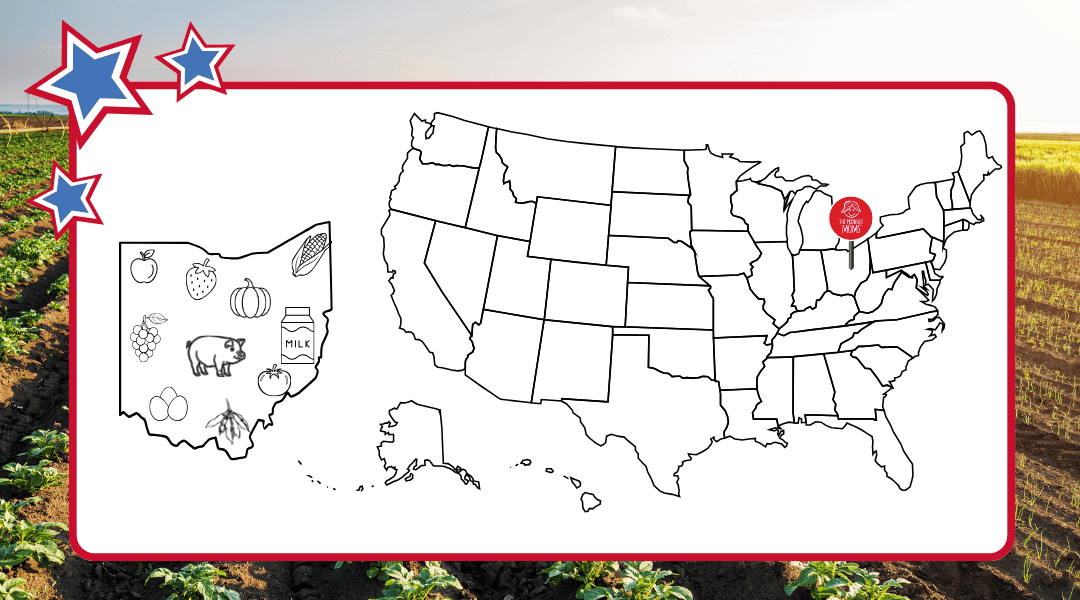
Top 5 Agricultural Commodities in Ohio
Ohio’s agricultural industry is a massive driver of both the state’s economy and the nation’s food supply. It generates over $15 billion in agricultural market value. Thanks to a favorable climate, rich soil, and advanced farming practices, the Buckeye State consistently produces a diverse array of crops and livestock. While Ohio raises over 200 distinct commodities, five major sectors lead the way in total output, powering local communities and feeding consumers across the globe.
Soybeans
Soybeans hold the top spot as Ohio’s single largest agricultural commodity by value. Local farm families cultivate millions of acres of soybeans each year. It supports a robust processing industry that creates animal feed, vegetable oil, and industrial products statewide. Nationally, Ohio routinely ranks among the top six soybean-producing states. Its strategic location near major railways and port systems along Lake Erie and the Ohio River allows local growers to export massive quantities to international markets. This makes Ohio a key player in global trade. Soybeans from Ohio aren’t just for food or animal feed. They are frequently processed into environmentally friendly industrial products, including printer ink, biodiesel, and bio-based plastics.
Corn
Corn is a powerhouse component of Ohio’s crop rotation and rural economy. Locally, corn fuels the state’s large livestock industry. Plus, it supplies several ethanol production facilities, generating clean energy and job opportunities across rural counties. On the national stage, Ohio consistently ranks in the top ten corn-producing states. It yields hundreds of millions of bushels annually that contribute significantly to the United States’ status as a global grain exporter. Overall, Ohio farmers plant around 3 to 3.5 million acres of corn each year.
Poultry & Eggs
Ohio’s poultry sector (which includes egg laying, turkey, and broiler chicken production) is a vital contributor to the local agricultural footprint. Eggs are the standout star of this category. Ohio is one of the top two egg-producing states in the entire country. It houses tens of millions of laying hens. The state is an anchor for national food security and supply chain stability. Ohio produces more than 10 billion eggs annually.
Dairy Products & Milk
Dairy farming forms the bedrock of many local agricultural communities across Ohio. It is particularly prevelant in the northeast and central regions. Beyond liquid milk, local dairy operations supply specialized processing plants that produce cheese, ice cream, and butter. Nationally, Ohio stands out for its high-value specialty dairy production. The state leads the entire country in Swiss cheese manufacturing. Ohio’s dairy cows produce over 5 billion pounds of milk each year, driving a multi-billion-dollar dairy and processing sector statewide.
Hogs & Pigs
Swine production represents a major segment of Ohio’s livestock economy. Pork production provides vital market demand for local grain growers, as hogs consume vast amounts of Ohio-grown corn and soybean meal. Nationally, Ohio ranks among the top ten pork-producing states. Pork processed in Ohio travels to grocery shelves and restaurants nationwide, as well as to international export markets across North America and Asia.
Fruits and Vegetables from Ohio
While major field crops like corn and soybeans dominate Ohio’s total acreage, specialty crops bring vibrant diversity and significant revenue to the state’s agricultural economy. Ohio’s rich glacial soils, abundant water resources, and distinct four-season climate create ideal conditions for growing high-quality produce. Together, local fruit orchards and vegetable farms generate tens of millions of dollars in economic value each year. They supply regional grocers, food processors, and direct-to-consumer farm stands.
Top Fruits
- Apples: Apples rank as Ohio’s undisputed number-one commercial fruit crop. Hundreds of family-owned orchards cultivate roughly 50 different varieties across the state. Ohio consistently ranks among the top 10 apple-producing states in the nation. It produces tens of millions of pounds of apples annually for fresh consumption, cider production, and processing.
- Grapes: Concentrated heavily in northern Ohio along the Lake Erie shore and across southern river valleys, grape production supports a rapidly expanding viticulture and wine industry. Ohio features over 300 wineries and hundreds of vineyard acres. The state generates a multi-billion-dollar economic impact through wine sales and agritourism.
- Strawberries: Strawberries mark the official start of Ohio’s fresh fruit harvest each spring, ripening from late May through June. They play a massive role in localized agritourism through U-pick farm experiences. Ohio growers dedicate hundreds of acres to strawberry cultivation. They sell the vast majority of the harvest directly to local consumers within miles of where it is picked.
Top Vegetables
- Tomatoes: Tomatoes represent Ohio’s most valuable vegetable crop. It drives both large-scale commercial processing and fresh market production. Northwest Ohio in particular serves as a primary hub for processing tomatoes used in canned goods, sauces, and juices. Ohio routinely ranks among the top states nationwide for processing tomato production. Ohio harvests thousands of acres that deliver tens of thousands of tons of tomatoes to major food manufacturers annually.
- Pumpkins: Ohio ranks in the top five pumpkin-producing states nationwide. Ohio farmers harvest over 4,000 acres of pumpkins annually. This generates more than $15 million in farm-gate value each year. Driven by strong autumn demand for carving, fall displays, and pie production, pumpkins are a major specialty cash crop for Ohio growers.
- Sweet Corn: Ohio farmers plant roughly 10,000 to 12,000 acres of sweet corn every year, producing millions of dozen ears of fresh corn for local and regional markets. Sweet corn is one of Ohio’s signature summer crops, sold extensively at roadside stands, farmers markets, and grocery stores from July through early fall.
Visit our Produce Directory and learn how to Select, Store and Serve these fruits & vegetables.
About 50 States of Agriculture
In celebration of 250 years of the United States, The Produce Moms is proud to present 50 States of Agriculture. This is an educational and free resource that celebrates the bounty of America. We utilized USDA and State Department of Agriculture data (Ohio) for the content in this series.
Agriculture is the foundation of freedom. Food security is national security. This content series is a celebration of United States culture and the hard-working farmers who feed, fuel & clothe our nation and the world.
Visit another state from our 50 States of Agriculture.