DIY Steps to Composting Kitchen Scraps at Home

Jun 10, 2026
This post may contain affiliate links. Please read our disclosure policy.
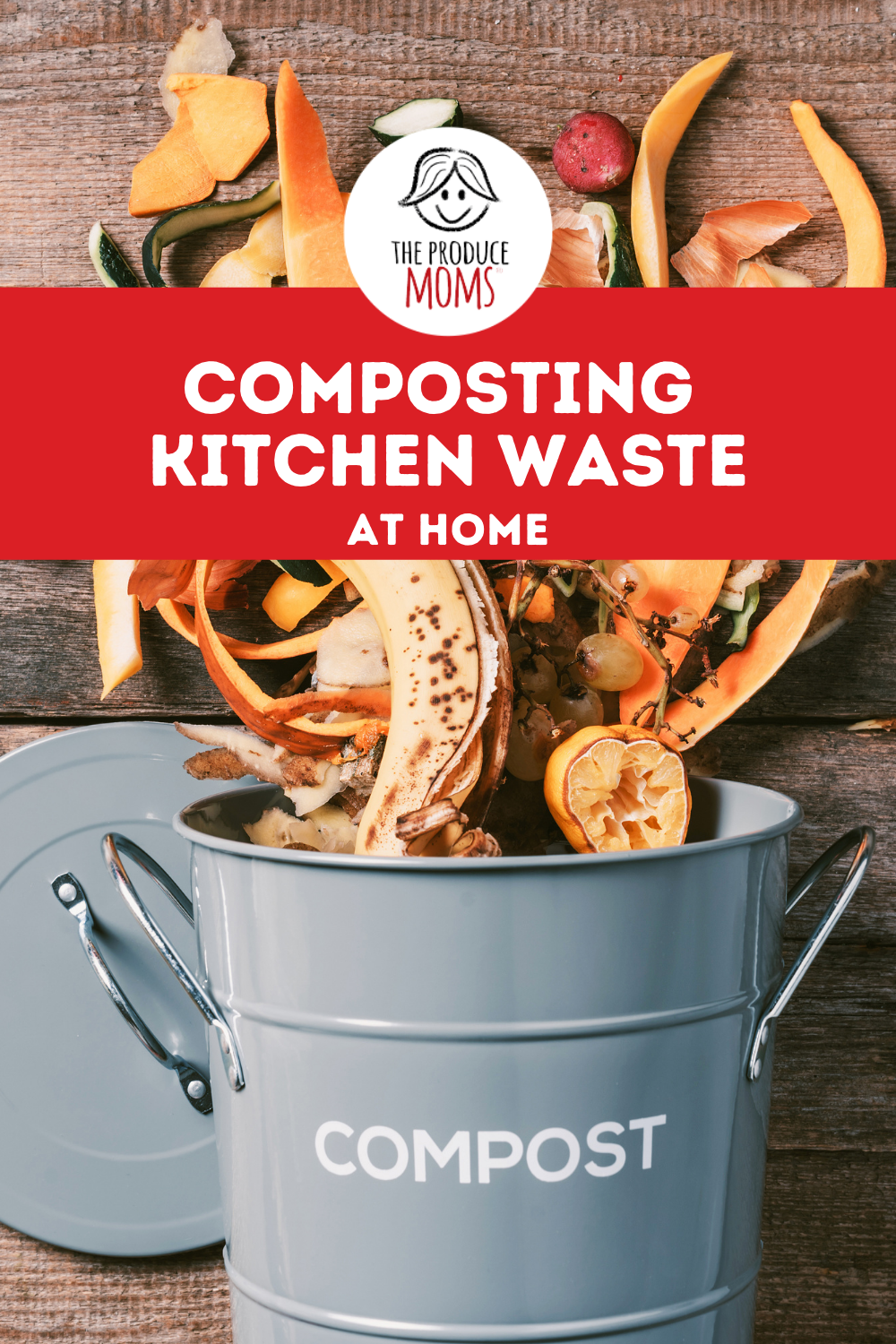
See that banana peel sitting on your counter? It’s not trash, not in the slightest. Instead, consider it future gold for your garden. Composting kitchen scraps at home is one of the simplest ways to reduce food waste, enrich your soil, and close the loop between your kitchen and your yard.
Whether you have a sprawling backyard or a small apartment, getting started is easier than you might think. The Produce Mom is about to walk you through exactly what to toss in the compost bin, what to keep out, and how to turn your everyday scraps into nutrient-rich compost that your plants will love.
What Foods Can Be Composted
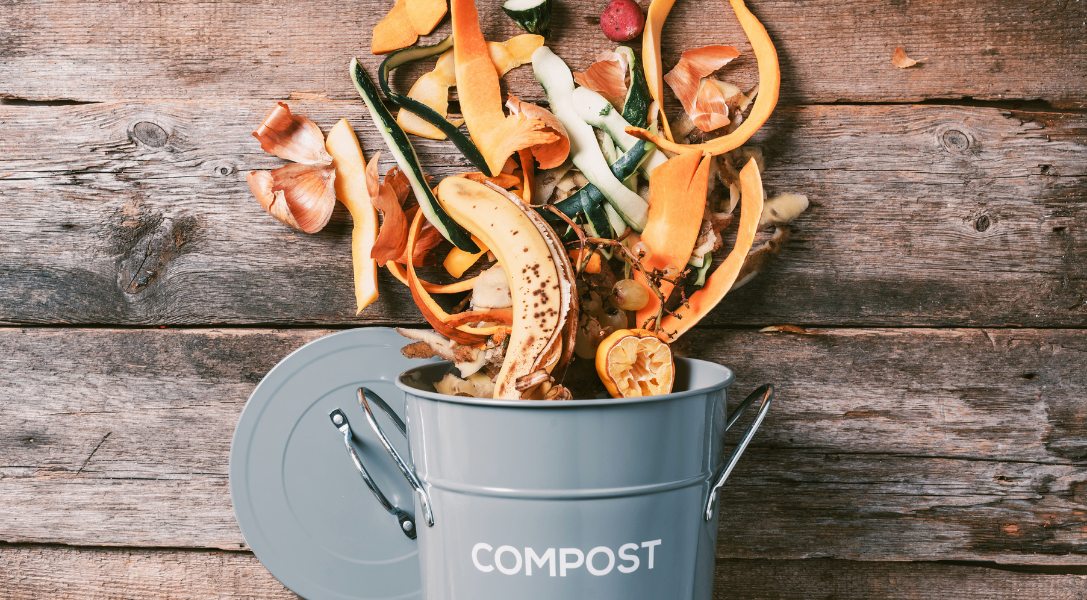
First, it’s important to understand what types of food can be composted. The following kitchen waste can be put in the your composter:
- Vegetable & fruit peelings
- Fruit Rinds
- Fruit cores
- Rotten/unused vegetables & fruit
- Coffee grounds
- Tea leaves
- Corn cobs & husks
- Egg shells
- Fruit & vegetable pulp from your juicer
Here is a list of the foods that cannon be put in your composter:
- Meat
- Fish
- Dairy products
- Cooked foods
- Grease, oil, or fat
Choose Your Composting Method
Once you’ve collected your kitchen scraps, the next step is deciding how to compost them. There’s no single right way to compost — the best method depends on your space, time, and how much kitchen waste you generate.
The most common option is an outdoor compost pile or bin. Simply layer your food scraps with “brown” materials like dried leaves, cardboard, or newspaper to balance moisture and speed up decomposition. If outdoor space is limited, a countertop compost bin or pail is a great way to collect scraps throughout the week before transferring them to a larger outdoor pile or a municipal composting program.
No yard at all? Vermicomposting — composting with worms in a small indoor bin — is a surprisingly odor-free and efficient option for apartment dwellers. Whichever method you choose, aim to bury or mix food scraps into the pile rather than leaving them on top, which helps control odors and keeps pests away.
Here are some great resources to help get you started:
- What to do with food scraps
- Compost tumblers vs compost bins
- Composting Food Scraps to Protect the Climate and Nourish Our Soil
Nowadays, many cities offer municipal composting programs that accept kitchen scraps curbside, making composting accessible even for those with no outdoor space and no desire to manage a bin themselves.
Composting is a great way to do your part to reduce food waste in landfills! Get the whole family involved with wonderful science lessons that kids can learn from composting. And BONUS, you’ll have happy plants and a thriving garden. Everyone wins!
RELATED: At Home Regenerative Farming