Cotton vs Plastic: A Healthier Future Starts with Better Choices

Aug 14, 2026
This post may contain affiliate links. Please read our disclosure policy.
Did you know that the clothes you and your family are wearing right now may contain microplastics that you’re breathing in?
If you didn’t, you’re not alone.
Only about 33% of consumers know that their clothes carry particles of plastic due to synthetic materials like nylon, polyester, and spandex. But what’s even more concerning is that each time you move, wash your clothes, or hug your kids, those tiny plastic fibers are released into the air and end up in your body, drinking water, and on the food you serve your family.
Synthetic textiles are responsible for 35% of primary microplastics.
So, we decided to take action!
We’ve partnered with the National Cotton Council’s Plant Not Plastic campaign to help more families understand the science behind microplastic pollution and how it impacts our environment and our bodies.
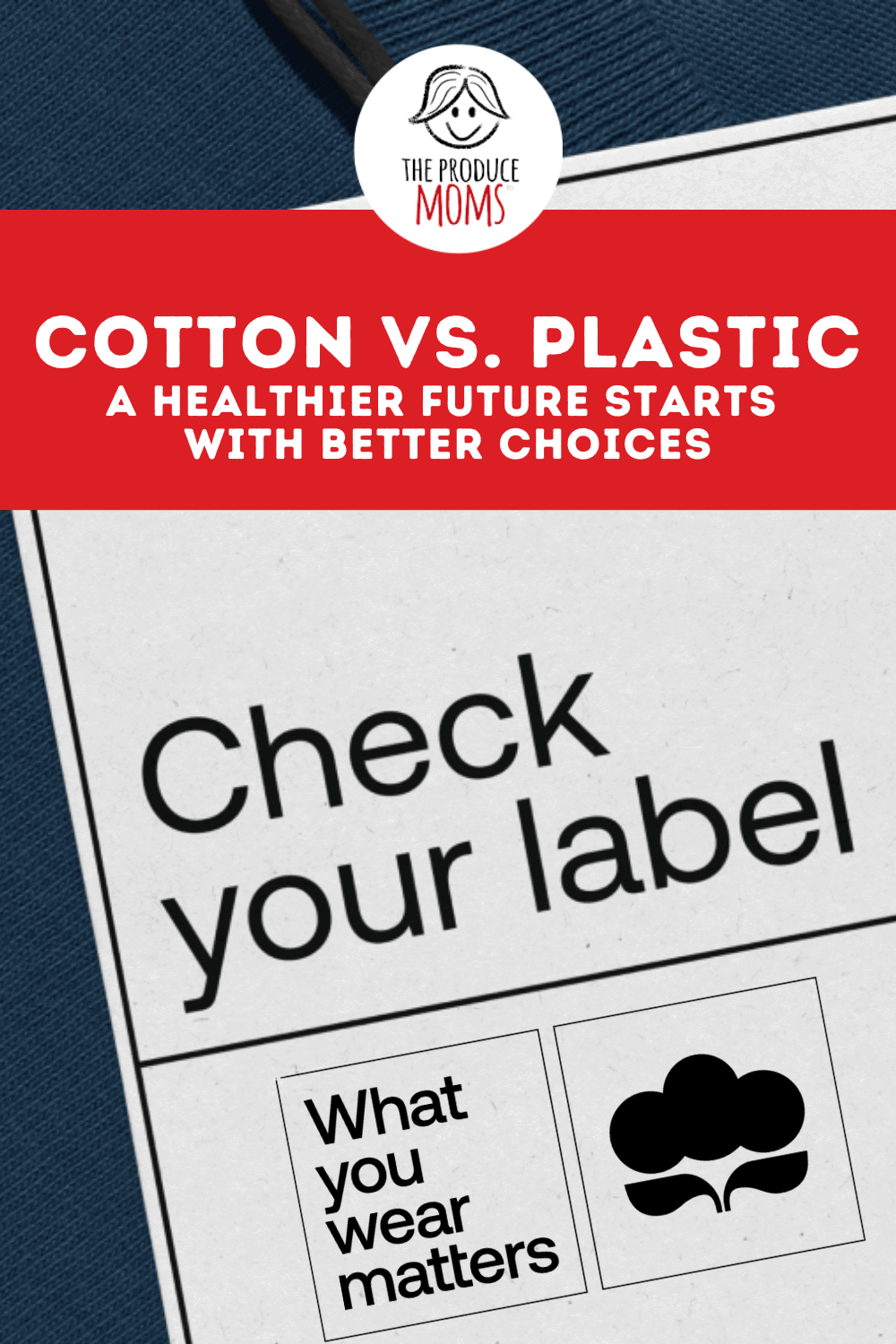
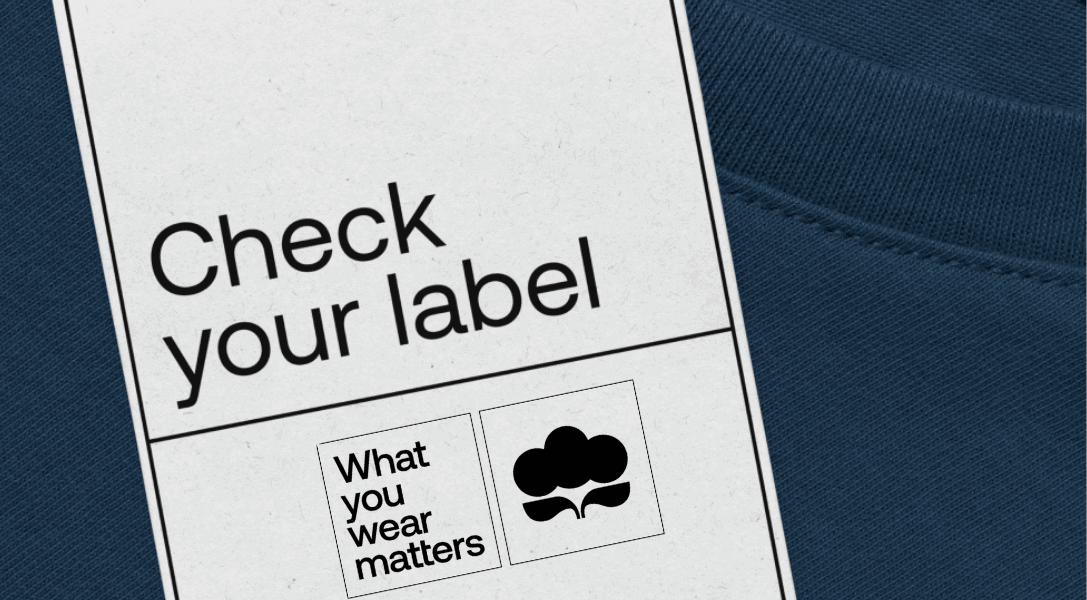
Check the Label.
One of the easiest ways to start is by checking the label before you buy. Just like we look at the ingredients of packaged food, we can look at the “ingredients” in our clothes and home textiles, too. When possible, choose 100% cotton. And if it’s a blend, look for the option with the highest percentage of cotton available.
This post is sponsored by Plant Not Plastic.
The Science: Why Cotton Over Synthetics?
First things first, what exactly are microplastics?
They’re tiny, microscopic plastic particles (less than 5 millimeters in length) that are used to make clothes, tires, bottles, bags, and even personal care products. As a mom, you’re doing a lot in a day, including running, walking, hugging, and cooking. With each movement, those microplastics are released into the air. But they don’t break down; they must land somewhere – and that’s on food, clothes, and inside your body.
What are synthetic fibers?
When fibers aren’t made from plant-based materials, they use a chemical process with plastic derived materials from ancient, organic buried matter. Petrochemicals are often made from polyethylene terephthalate (PET). Basically, it’s plastics that are used to make plastic bottles and packaging.
What does science tell us?
- Synthetic textiles are responsible for 35% of primary microplastic pollution worldwide.
- Synthetic materials make up to 67% of the world’s fiber production, contributing to high microplastic pollution.
- The average person takes in 74,00-120,00 microplastic particles per year.
- Up to 130 microplastics per day are potentially inhaled into your lungs from clothes made with synthetic fibers.
- Up to 65% of microplastics from synthetic materials can be released into the air while washing and drying clothes.
You’re probably aware of the effects of plastic on the ocean and sea life, but now studies are focusing on the impact on our health and the environment. The National Cotton Council plans to have more data to share this year, so stay tuned.
Is choosing cotton the answer?
Yes! It is one — cotton is a 100% plant-based natural fiber. It’s biodegradable, breathable, comfortable, and durable. While synthetic materials keep floating around in the air, cotton fibers break down and safely return to the soil. Cotton biodegrades by up to 90% in 4 days, in natural wastewater systems.
Start Your Switch to Cotton Today
Many Americans aren’t aware yet that the fibers they wear and use contain tiny plastic particles. But there are affordable, easy changes that can make our homes safer and our bodies healthier.
We’re excited to see the benefits from our own family’s switch to cotton, and we hope you’ll join us on our easy-to-follow month-by-month plan. Remember, it’s not about being perfect – little actions over time add up to big changes later.
So, let’s start today! Join the Plant Not Plastic campaign by starting with checking the label…
Because what you wear matters!
Here are a few free resources and ideas to help get you started:
- Plant Not Plastic website – videos, PDFs, and free resources to help you make the switch to cotton
- 50 States of Agriculture series – an educational resource that celebrates the bounty of America
- Switch to a Cotton Household
- Support U.S. farmers
And don’t forget to tag @PlantNotPlastic to share your progress!
Supporting American Farmers and Agriculture Through Your Choices
At The Produce Moms, our American Farmers and agriculture are near and dear to our hearts. Because without their hard work and determination, we wouldn’t have high-quality fruits and vegetables that are sustainably grown on American soil.
In addition to our delicious, colorful produce, cotton is grown in 17 U.S. states known as the cotton belt. Every time you choose cotton over plastic, you support American farmers and rural communities. Agriculture provides food through produce and meat, fuel with corn and soybeans, and fiber through cotton that sustains us.
We’re proud to partner with farmers and the agriculture community, and we love educating families on where their food and cotton come from.
Find out more in our 50 States of Agriculture series!
Sources:
- https://plantnotplastic.org/
- NCC Launch Press Release (Sept 2025):
- Cotton Today microplastics/biodegradability article
- The Hidden Truth Fact Sheet
- Your Wardrobe and Wellness Fact Sheet
- The Tag Truth Fact Sheet
- The Produce Moms 50 States of Agriculture hub