Maryland Agriculture

Aug 25, 2026
This post may contain affiliate links. Please read our disclosure policy.
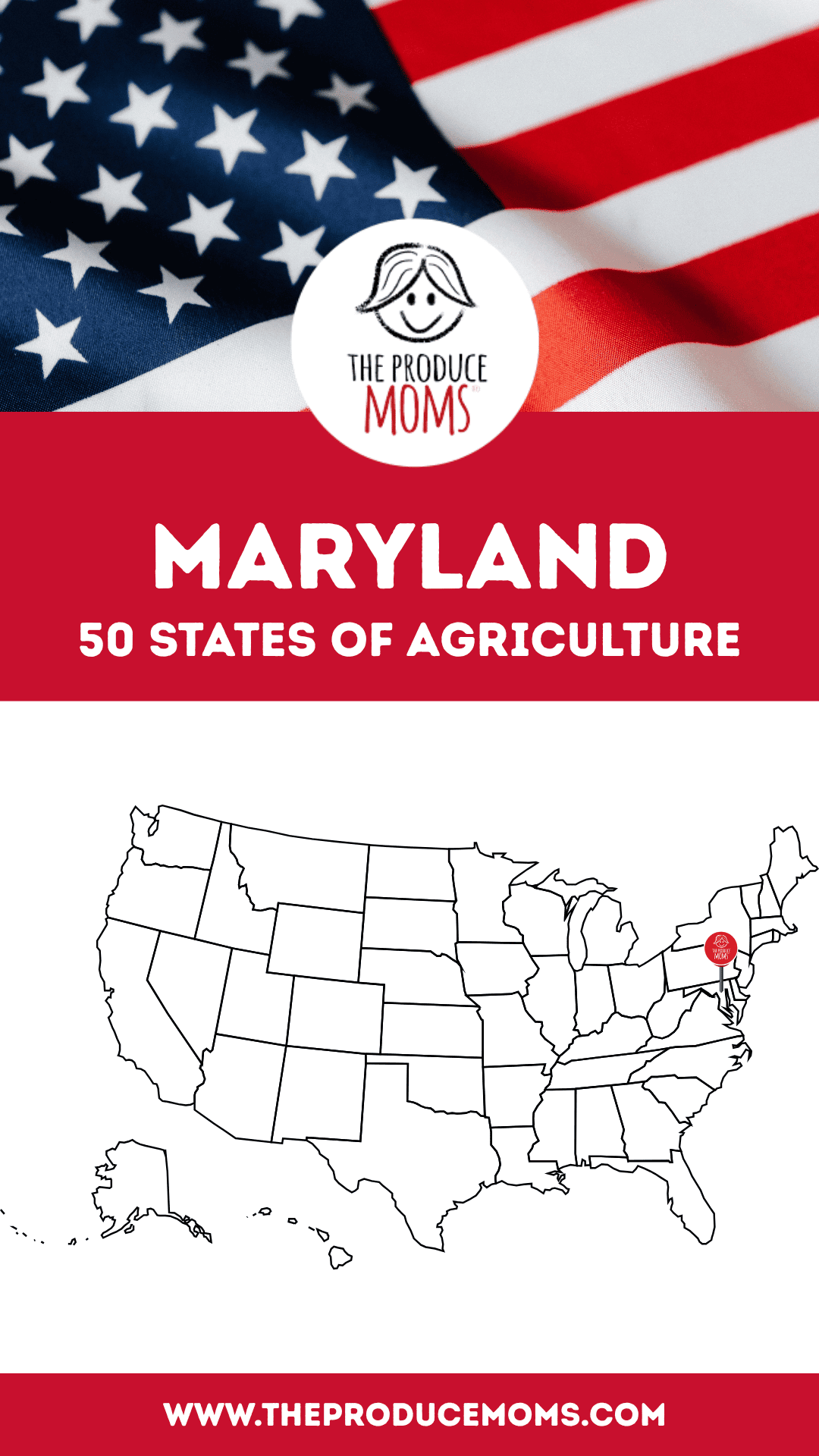
Maryland’s agricultural journey began in the 1600s with tobacco dominating the early colonial economy. Over time, farmers shifted their focus toward grain crops like wheat, corn, and barley. It ultimately earned the region the nickname “Breadbasket of the Revolution” for feeding the Continental Army.
As the country expanded westward in the late 19th century, Maryland growers adapted once again. Farmers started to diversify into dairy, fresh fruits, vegetables, and ornamental horticulture to feed rapidly growing East Coast cities.
Today, agriculture remains Maryland’s largest commercial industry. It contributes over $8 billion annually to the state’s economy. Roughly 2 million acres are actively farmed in Maryland. There are across approximately 12,500 operations with over 80% of which are family-owned.
Modern Maryland agriculture is also heavily defined by a strong commitment to environmental stewardship. Because so much farmland sits within the Chesapeake Bay watershed, local producers lead key conservation efforts, such as planting hundreds of thousands of acres in winter cover crops each year to prevent runoff and protect water quality. Alongside these sustainability practices, a booming local food movement, marked by urban farming initiatives in Baltimore and widespread farmers’ markets, ensures that Maryland’s deep agricultural heritage continues to directly nourish its communities.
About the Maryland Department of Agriculture
Established in the early 1970s, the Maryland Department of Agriculture (MDA) serves as a dedicated state cabinet agency created to advocate for and support the state’s agricultural community. Headquartered in Annapolis with field offices situated statewide, the department acts as a central hub for agricultural oversight, environmental protection, and economic growth.
Before the MDA was officially formed, agricultural leadership and regulatory duties were managed directly by the University of Maryland at College Park. Recognizing that agriculture had grown into a vital driver of Maryland’s food supply, environment, and financial health, the Maryland General Assembly established the independent agency to handle regulation, advisory services, and promotional efforts. Meanwhile, academic research and cooperative extension services remained with the university system.
MDAt is overseen by an appointed secretary. The department organizes its work across three primary operational areas:
- Marketing, Consumer Services, and Animal Industries: Oversees animal health, consumer protection standards, and domestic and international promotion of Maryland farm and seafood products.
- Plant Industries and Pest Management: Protects crops, forests, and nursery plants by managing plant health, managing invasive pests, and regulating pesticide use.
- Resource Conservation: Focuses on environmental stewardship, guiding farmers in soil health, water quality management, and conservation practices throughout the Chesapeake Bay watershed.
Through a mix of regulatory standards, educational initiatives, and public outreach, the MDA works to strengthen farmer profitability, ensure product safety for consumers, and preserve natural resources across the state.
Learn more at https://mda.maryland.gov/.
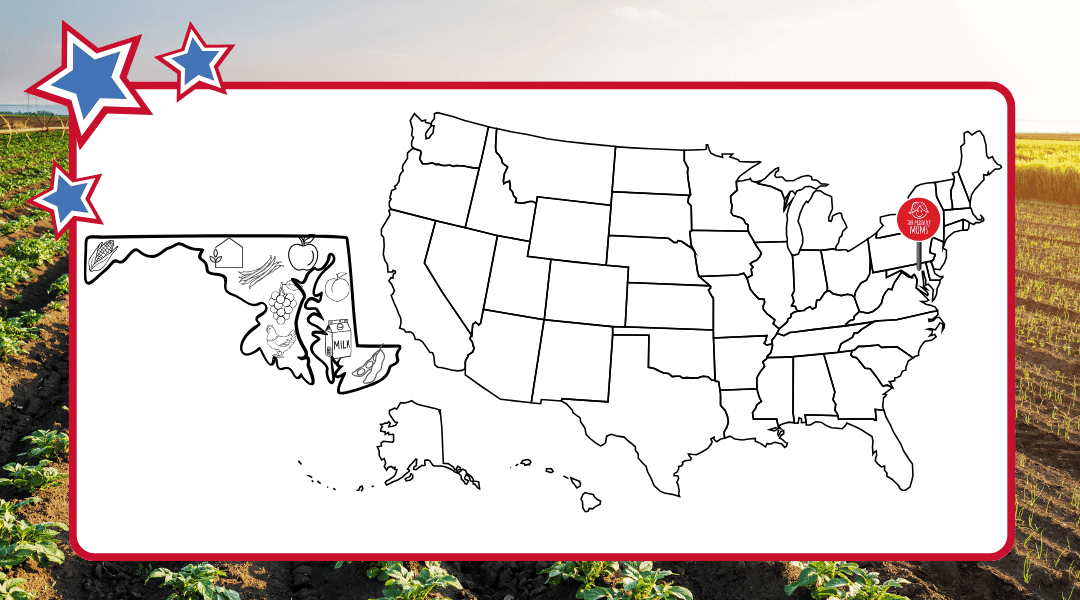
Top 5 Agricultural Commodities in Maryland
Maryland packs a remarkably diverse agricultural landscape into a compact footprint. Farmland covers roughly one-third of the state’s total land area. Farming serves as Maryland’s largest commercial industry, generating over $3 billion in sales annually and providing vital support to both regional food security and international trade networks. The state’s agricultural economy is anchored by five major commodities that drive both local prosperity and national market integration.
Broiler Chickens
Broiler chickens (raised for meat) are Maryland’s dominant agricultural product, accounting for over 40% of the state’s total farm sales. Concentrated primarily on the Eastern Shore, poultry farming fuels thousands of local processing, hatch, and feed manufacturing jobs. Maryland sits at the heart of the historic Delmarva Peninsula poultry hub, contributing significantly to the U.S. poultry industry and international chicken exports.
Corn for Grain
Spanning hundreds of thousands of acres, grain corn generates over $300 million annually. The vast majority of locally grown corn is consumed right within state lines as high-energy feed for Maryland’s poultry and livestock farms. Maryland’s high yields per acre contribute to the broader Mid-Atlantic grain market. Also, Maryland farmers lead the nation in environmental stewardship by planting hundreds of thousands of acres of winter cover crops, often using cereal rye. This absorbs excess nutrients after the corn harvest and protects the Chesapeake Bay watershed.
Soybeans
Averaging over 20 million bushels produced annually, soybeans represent Maryland’s top oilseed crop and second-largest field crop. They serve a crucial dual purpose in local crop rotation strategies, naturally restoring nitrogen to the soil while supplying protein-rich soybean meal to the local poultry market. Maryland’s proximity to major deepwater ports, including the Port of Baltimore, makes its soybean crop a key asset for U.S. agricultural exports sent to Asia and Europe.
Nursery, Greenhouse & Turfgrass Products
Horticulture and greenhouse production generates upwards of $ 300 to $500 million annually. It thrives due to Maryland’s high population density and suburban development. Local operations supply flowers, landscaping plants, trees, and sod for commercial and residential developments across the Mid-Atlantic. Turfgrass and sod production are so significant in Maryland. Thousands of acres are cultivated specifically to supply professional sports fields, golf courses, and residential lawns across the Mid-Atlantic region.
Dairy Products and Milk
Maryland’s dairy operations are concentrated heavily in the northern and western counties. It generates nearly $200 million in annual cash receipts annually. Local dairy farms supply fresh liquid milk, butter, and cheese to densely populated metropolitan areas like Baltimore and Washington, D.C. While Maryland dairy herds are smaller in overall number compared to Midwestern giants, Maryland cows are exceptionally efficient, consistently producing over 21,000 pounds of milk per cow each year.
Fruits and Vegetables from Maryland
Despite its compact size, Maryland boasts a vibrant specialty crop industry that leverages the state’s diverse microclimates. Fresh produce plays a crucial role in Maryland’s direct-to-consumer and local food markets. There are hundreds of farms supplying urban centers from Baltimore to Washington, D.C. Harvested across tens of thousands of acres, fruits and vegetables generate tens of millions of dollars in crop value annually. It helps strengthen farm diversification and reinforces the state’s regional food security.
Top Fruits
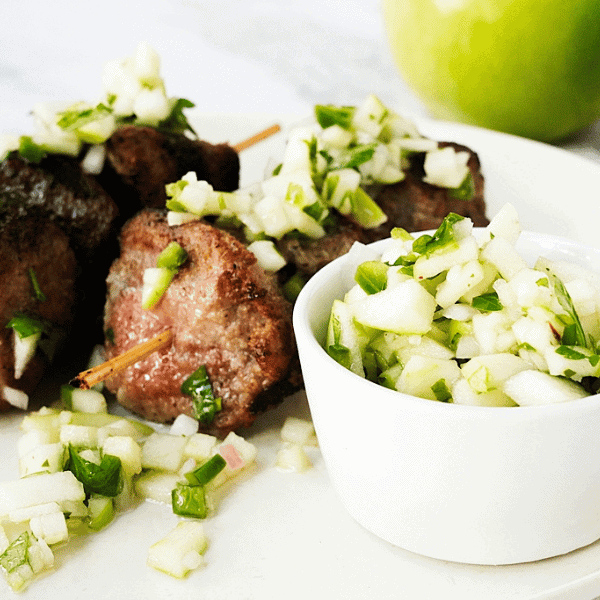
- Apples: Apples are Maryland’s leading tree fruit crop. There are nearly 1,800 acres of commercial orchards located predominantly in the foothill regions of Washington and Frederick counties. Local orchards generate millions of dollars annually through wholesale packing as well as direct-to-consumer agri-tourism, such as pick-your-own operations, cider mills, and fall festivals.
- Peaches: Peaches occupy hundreds of acres of well-drained hillside land, capitalizing on late-spring frost protections offered by higher elevations. Maryland peaches are highly prized in local retail outlets, roadside farm stands, and regional farmers’ markets.
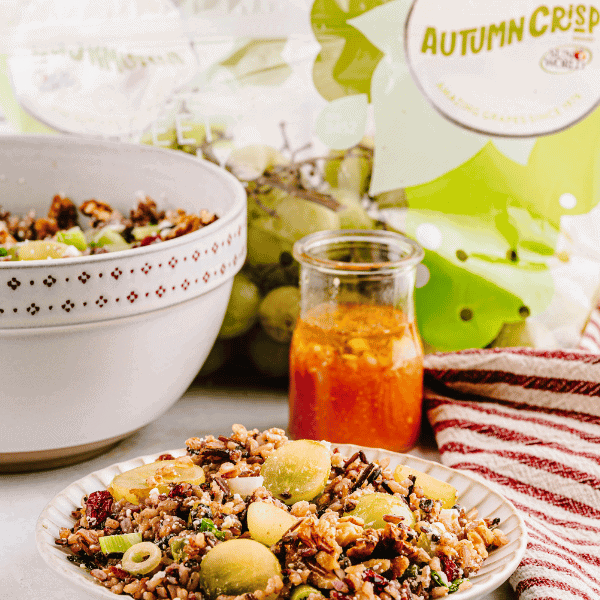
- Wine Grapes: Viticulture is one of the fastest-growing commercial fruit sectors in Maryland. It spans well over 1,000 acres across more than 100 commercial vineyards statewide.
Top Vegetables
- Sweet Corn: Sweet corn is the undisputed king of Maryland fresh market vegetables. It covers over 8,000 acres of cropland each year. Grown across nearly every county, sweet corn leads the state in fresh vegetable acreage and serves as a fundamental staple for roadside stands, local grocery chains, and regional distributors.
- Snap Beans (Green Beans): Cultivated on over 3,000 acres annually, snap beans serve both fresh market and commercial processing sectors. High-yielding mechanized field operations allow Maryland producers to harvest millions of pounds of green beans each season. They supply regional canning, freezing, and fresh produce distribution hubs. Green beans play a dual role on Maryland farms. As legumes, they naturally fix nitrogen back into the soil, making them an excellent rotational crop to preserve long-term soil health between grain plantings.
- Tomatoes: Tomatoes are harvested across more than 1,000 acres annually. Fresh market tomatoes are one of Maryland’s most widely grown and economically valuable vegetable crops.
Visit our Produce Directory and learn how to Select, Store and Serve these fruits & vegetables.
About 50 States of Agriculture
In celebration of 250 years of the United States, The Produce Moms is proud to present 50 States of Agriculture. This is an educational and free resource that celebrates the bounty of America. We utilized USDA and State Department of Agriculture data (Maryland) for the content in this series.
Agriculture is the foundation of freedom. Food security is national security. This content series is a celebration of United States culture and the hard-working farmers who feed, fuel & clothe our nation and the world.
Visit another state from our 50 States of Agriculture.